Repair Together, Design Better: Furniture Care That Builds Home
Today we explore community repair clinics as design culture, showing how teaching furniture care can transform ordinary rooms into meaningful homes filled with stories, skill, and shared pride. Step into welcoming spaces where neighbors learn joinery and finishes, rescue cherished chairs, and rediscover belonging through hands, wood, and conversation, leaving with confidence, safer furniture, and friendships strong enough to last like a well-cut dovetail.

Where Tools Meet Stories: The Culture Behind Community Repair
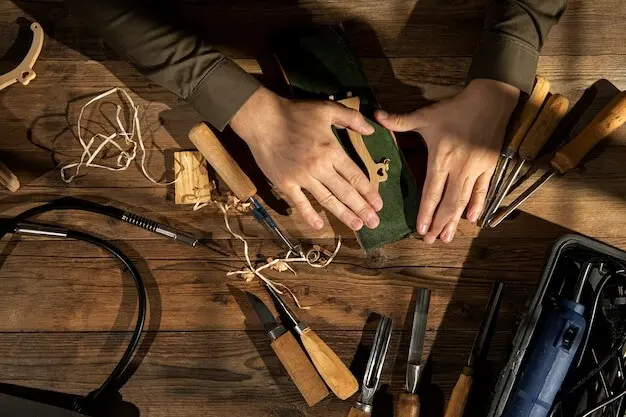
Imagine a bustling table saw humming beside quiet, careful hands sanding a family table. Community repair clinics grow from curiosity, frugality, and love for objects that carry memory. By blending design values with neighborly patience, they replace disposal with stewardship, turning repair hours into rituals that celebrate longevity, reduce waste, and teach practical wisdom that helps people feel genuinely at home together.
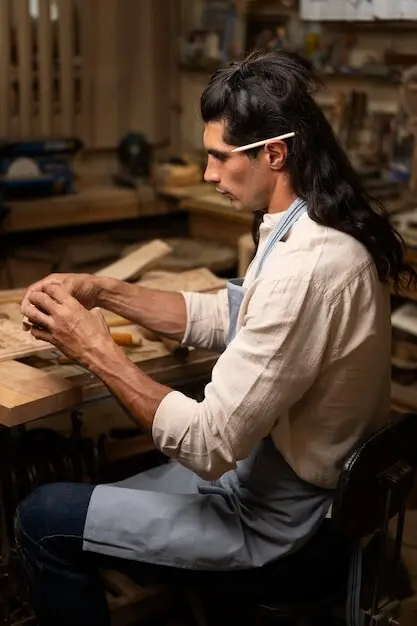
Shared Skills, Shared Language: Teaching Furniture Care Accessibly
Diagnosing a Wobbly Chair
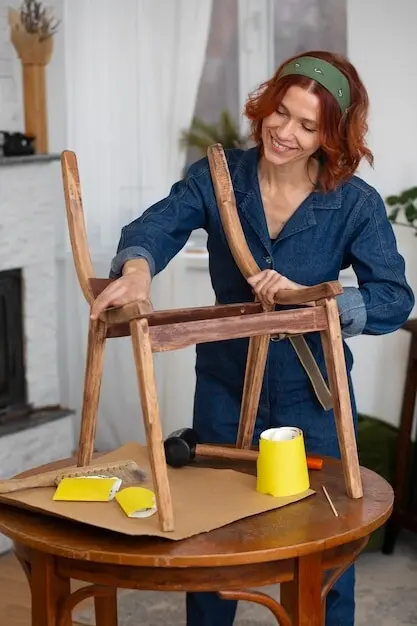
Begin with listening: creaks reveal compression failures, scuffs show movement. Hands test racking; sightlines identify twisted rails. A pencil outlines gaps; blue tape marks loose pins. Then comes plan-making—clean old glue, fit dry, clamp with cauls, verify square, apply fresh adhesive with restraint. Diagnosis teaches patient seeing, transforming mystery into manageable steps that anyone can repeat confidently at home.
Finishes That Age Gracefully
Rather than chasing flawless sheen, clinics celebrate protective finishes that welcome use. Penetrating oils, waxes, and shellac invite repairability, patina, and breathability. Demonstrations compare water spots, scratch blending, and curing times using scrap boards. People practice wiping techniques, rag safety, and color matching from household items. The lesson is simple: choose finishes that live with you, not against daily life.
Inclusive, Safe Learning for Every Neighbor
Good culture begins with care: sign-in guidance, PPE in varied sizes, adaptive clamps, quiet tool hours, and multilingual labels. Volunteers model consent around personal items, asking before lifting or altering. Clear stop rules protect bodies and heirlooms. Accessibility ramps, good lighting, and seated stations invite wider participation. Safety becomes hospitality, ensuring learning feels brave, equitable, and sustainably repeatable across gatherings.
Homes Filled With Meaning: How Repair Deepens Belonging
Furniture anchors daily rituals, and repair reconnects those anchors with intention. When a table is refinished together, family meals taste different—seasoned with effort and memory. Clinics help residents narrate what matters, documenting provenance, celebrating imperfections, and aligning interiors with values of care. The room changes subtly: lighter waste, stronger ties, and a sense that objects and people truly accompany one another.

Design Methods At the Bench: Iteration, Co‑Creation, Documentation
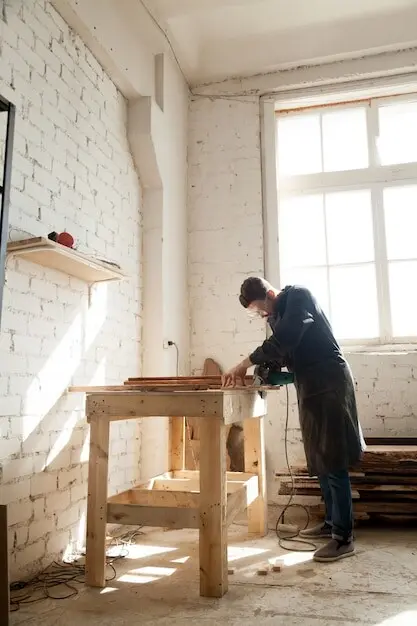
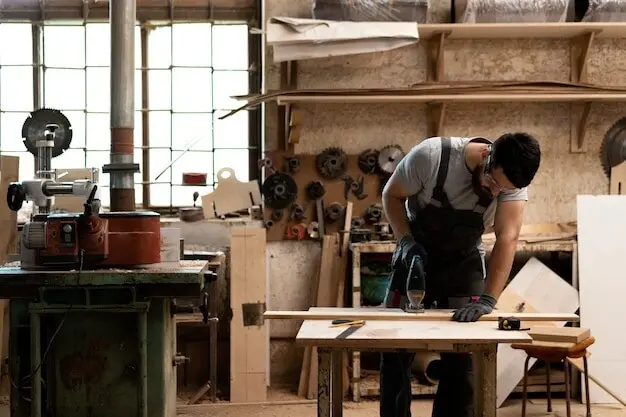
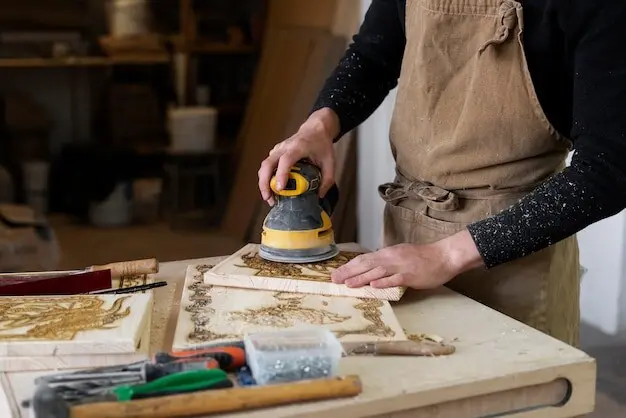
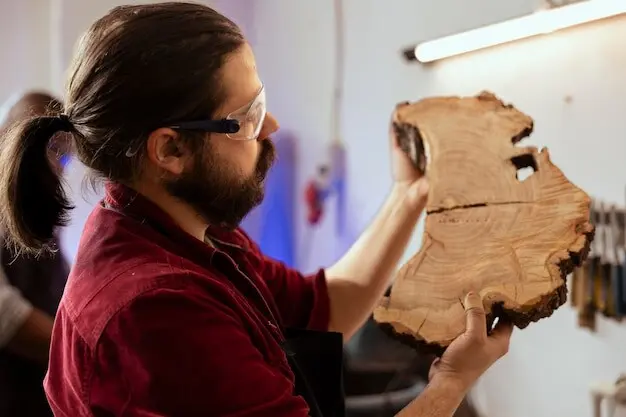
Community repair is a living design studio. People prototype clamping jigs from scrap, iterate labeling systems, and refine workflows around real constraints. Photos, sketches, and checklists capture collective learning for the next session. Every fix extends a shared playbook, where small improvements compound into smoother days, safer processes, and more delightful experiences that honor both craft and community energy.
Proving Value: Materials Saved, Confidence Gained, Communities Strengthened
Great stories deserve good evidence. Clinics track diverted items, estimated embodied carbon preserved, skills learned, and returning participants. Surveys capture confidence gains and neighbor connections formed during clamps and coffee. These numbers translate care into visibility, helping secure grants, spaces, and partnerships—while keeping the heart of the work honest, grounded, and oriented toward what matters most to residents.
Space, Tools, and Safety First
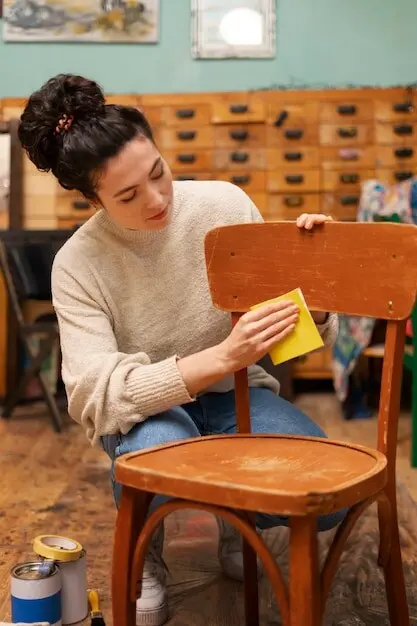
Select a well‑lit, ventilated room with sturdy tables and clear exits. Stock essential hand tools, clamps, PPE, first‑aid, and fire safety gear. Establish tool check‑in, blade guards, and rag disposal for oily finishes. Safety briefings begin every session. When people feel protected, they take brave learning steps, returning eagerly and bringing friends who trust the atmosphere of careful care.
Partnerships and Storytelling
Allies multiply capacity. Libraries promote events; schools provide curious learners; faith spaces offer rooms; retailers donate glue and sandpaper. Capture narratives with photo permissions, short interviews, and repair tags that credit helpers. Share outcomes in newsletters and local papers. Storytelling invites resources while modeling humility and joy, showing outsiders exactly how practical generosity translates into durable, meaningful home life.
Engagement That Lasts Beyond One Day
Build continuity with a mentorship roster, rotating skill focuses, and gentle challenges like a wobbly‑chair week. Offer take‑home care cards, seasonal finish workshops, and open office hours for questions. Invite readers to subscribe, send photos of repaired pieces, and comment with stubborn problems they want help solving. Momentum grows when participation feels personal, recognized, and delightfully achievable together.
All Rights Reserved.