Give Legacy New Life: Stories Told Through Sustainable Craft
Today we explore upcycling heirloom pieces, blending family narratives with eco‑friendly design to create objects that feel personal, useful, and gentle on the planet. Expect practical guidance, heartfelt anecdotes, and inventive methods that protect provenance while inviting everyday use. Share your memories, ask questions, and help us grow a community where sustainability and heritage walk hand in hand.

Listening Before Sanding: The Story Guides the Work

Before any tool touches wood, fabric, or metal, listen to the stories held in scratches, seams, and finishes. Interviews with relatives, old photographs, and sensory memories help define respectful boundaries, revealing what must remain visible and what can change to support renewed, sustainable function.

Memory Interviews That Shape Intent

Create thoughtful conversations that ask about origins, celebrations, repairs, and everyday routines. Record audio with permission, note exact phrases, and capture textures through photographs. These details become design constraints and narrative anchors, protecting dignity, preventing embellishment, and guiding choices that favor reversible methods and honest materials.

Assessing Significance Versus Function

Not every attachment is equal. Identify sacred elements, like inscriptions, maker’s marks, or wedding embroidery, that deserve preservation, then compare them with practical needs such as stability, seating height, or storage. Prioritize safety and usefulness without erasing identity, letting significance determine depth, placement, and scale of interventions.

Design Briefs Rooted in Lineage

Translate memories into a concise brief capturing function, mood, palette, textures, and allowable alterations. Include non-negotiables, timelines, and sustainability targets like reclaimed content or VOC limits. A written, shared brief reduces conflict, streamlines decisions, and keeps the project aligned with lineage and environmental responsibility.

Material Wisdom and Sustainable Choices

Materials carry histories and hazards. Evaluate condition, species, fibers, and finishes before planning interventions. Choose non-toxic, low-waste options that complement age, like milk paint, soap finish, or plant-based adhesives, and ensure additions are repairable, standardized, and ethically sourced to extend usefulness without burdening future caretakers.

Textile Transformations With Visible Care
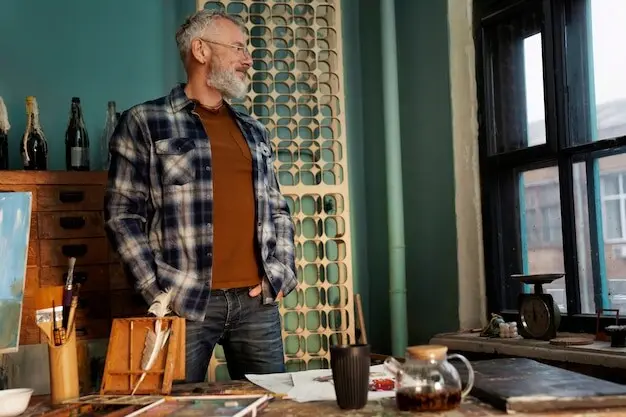
Visible mending transforms damage into narrative. Reinforce thin quilts with underlay patches, add sashiko stitching that echoes family motifs, and turn worn table linens into cushion panels while preserving monograms. Choose threads and dyes with low impact, and record care instructions for future refreshes.

Wood Joinery and Gentle Refinishing

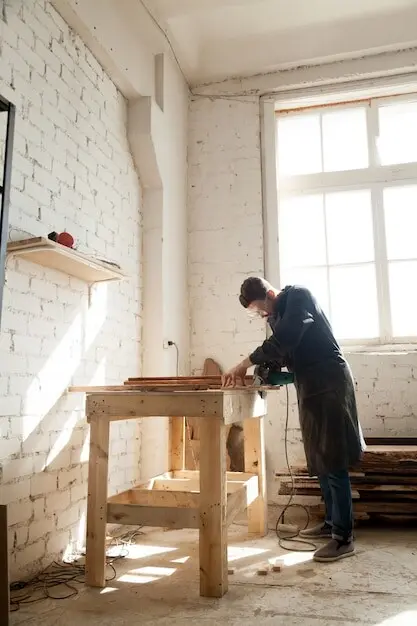
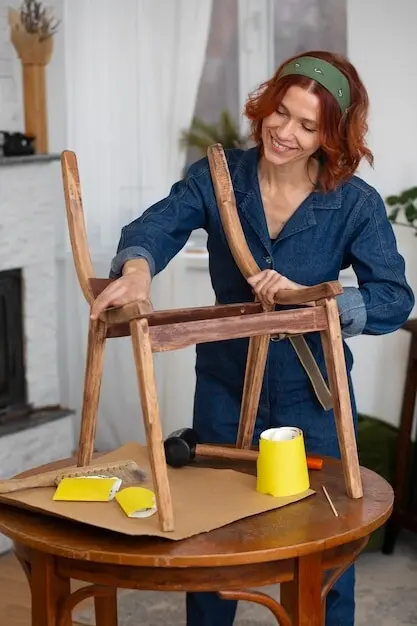
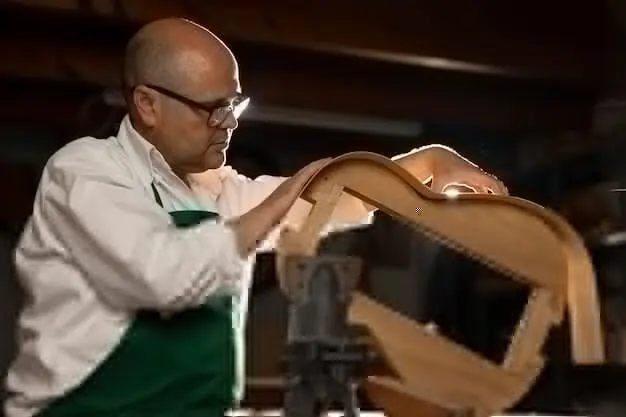
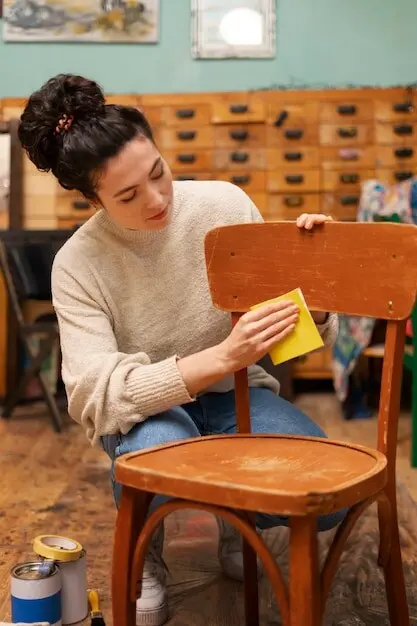
Retain tactile honesty with techniques that respect age. Steam dents, level joints, and use soap or wax finishes instead of heavy polyurethane. Butterfly keys can stabilize splits decoratively, while French polishing revives depth without burying pores, letting fingers read history as clearly as eyes.

Metal and Jewelry Reimagined

Reimagine brooches, lockets, and buckles with cold connections that avoid heat damage. Preserve beloved patina while improving wearability through new chains, modular clasps, or convertible mounts. Document provenance so adaptations strengthen sentimental value, ensuring each piece remains recognizable even as function gracefully evolves.

Modular Add-Ons That Can Be Removed Later

Design add-ons that clamp, clip, or slide rather than requiring irreversible cuts. Magnetic shelves, slipcovers, and removable casters provide flexibility as households change. Hardware hidden in existing holes protects integrity, allowing future caretakers to revert or iterate without costly restoration or material loss.

From One Role to Another, Respectfully

Shift purpose with sensitivity. A water-damaged dining tabletop might become a narrow console that preserves the unmarred breadboard ends. A delicate sari can glow as a lined lampshade. An inoperable radio may gain Bluetooth hardware while retaining knobs, dial glass, and familial charm.

Documentation Embedded in the Object

Anchor narrative using subtle cues: etched brass tags, sewn labels, stamped dates, or discreet QR codes linking to oral histories. Include care notes and maker credits. These gentle markers welcome conversation, prevent myths, and empower future repairs without guesswork or loss of origin.

Carbon and Waste You Didn’t Create

Estimate emissions using reputable calculators, then compare with typical new purchases. Reusing solid hardwood furniture often saves significant carbon and landfill space. Note delivery miles not traveled, packaging avoided, and toxins sidestepped, translating responsible choices into numbers families can celebrate and share.

Tracing Materials Across Generations

Map material journeys from source to present. Identify forests, mills, workshops, and households connected by each board or thread. Recognizing labor and ecosystems encourages ethical care, while scheduled maintenance extends lifecycles further, reducing extraction pressure and honoring communities that shaped original craftsmanship.

Circularity With Family at the Center

Build family agreements that normalize lending, rotating, and repairing rather than replacing. Keep spare parts, swatches, and finish samples labeled for future use. Celebrating circular habits at reunions or holidays strengthens identity and keeps treasured objects active, useful, and measurably beneficial to the planet.

Measuring the Footprint: Meaning Meets Metrics
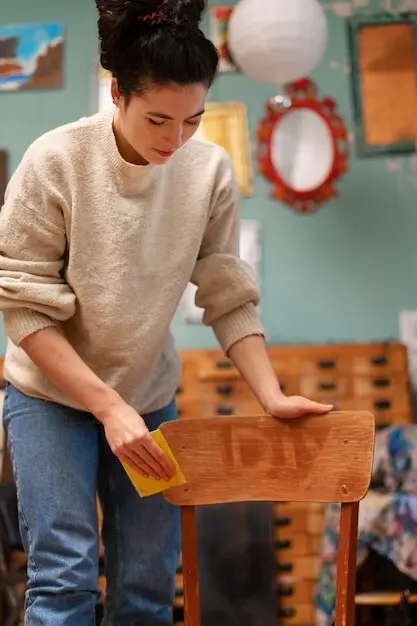
Quantify benefits alongside feelings to tell a complete story. Track waste diverted, transport avoided, and embodied carbon preserved through retention. Pair metrics with reflections from relatives, capturing how environmental savings and emotional continuity reinforce each other, strengthening stewardship across decades of shared use.

Community, Care, and Ongoing Stewardship
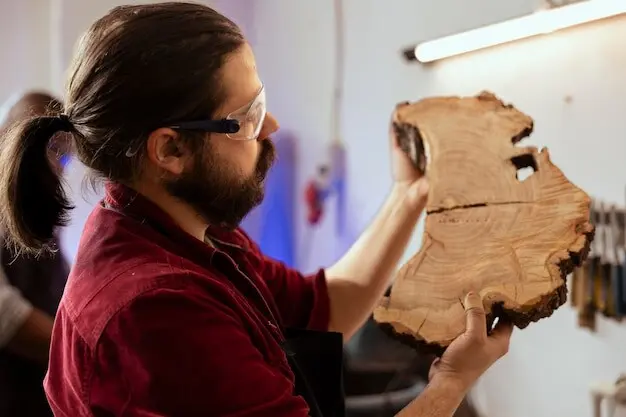
Stewardship is a long conversation. Plan gentle cleaning, monitor environment, and practice preventative care that slows entropy. Build community through workshops, storytelling circles, and shared tool libraries, ensuring knowledge travels with objects so their beauty, function, and meaning remain vibrant for future generations.
Xuzaponavuxuzezamokakofuhe
Privacy Overview

This website uses cookies so that we can provide you with the best user experience possible. Cookie information is stored in your browser and performs functions such as recognising you when you return to our website and helping our team to understand which sections of the website you find most interesting and useful.