Rooms Rooted in Place
Why Place Shapes What We Build
Provenance You Can Point To
Imagine being able to name the hillside where your clay was dug, the sawyer who milled your boards, and the beekeeper whose wax helps polish a tabletop. Traceability builds accountability and pride, revealing relationships that transform anonymous commodities into meaningful materials. Ask for stories, walk the sites, and record names so each surface carries gratitude and a lineage you can share with guests and future caretakers.
Custodians of Meaning
Motifs, joinery methods, and weaving patterns are living languages, shaped by seasons, migrations, and memory. Work with artisans as cultural custodians, not mere suppliers, ensuring consent, fair credit, and shared decision-making. Co-design sessions, revenue transparency, and community acknowledgments protect dignity while inviting fresh expressions. In honoring context, interiors become places where heritage breathes, adapts, and welcomes new voices without erasing those who carried it forward.

Textures Born of Hands and Landscapes
Timber Joinery and Grain
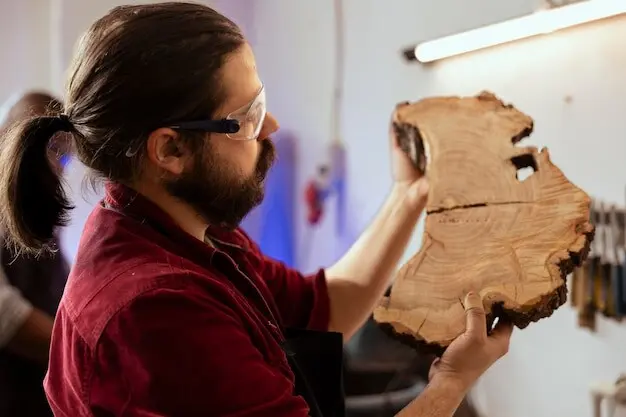
Mortise-and-tenon joints, wedged through-tenons, and dovetails express regional timber wisdom, honoring species like ash, fir, or chestnut. Grain orientation respects seasonal movement, while natural oils welcome future repairs. Visit the mill, feel sap-sticky boards fresh from the saw, and learn how air-drying schedules affect tone and stability. In rooms that celebrate grain and joinery, strength reads as poetry, and the furniture keeps teaching attentive eyes.
Earth, Lime, and Breathable Walls
Clay plaster, limewash, and casein paint buffer humidity, resist mold, and glow with quiet luminosity. Local sands, fibers, and pigments tune textures to the region’s geology, turning walls into gentle lungs. Experiment with straw-rich base coats, polished clay fines, or lime putty matured for months. These finishes invite patchable, low-toxin upkeep, allowing small scuffs to become chapters rather than crises, and aligning comfort with responsible, time-honored chemistry.
From Map to Moodboard
Palettes From Soil and Sky
Collect a spoonful of local soil, crush stone offcuts, and photograph dusk after rain. These humble studies reveal ochres, charcoals, and silvers that read truthful indoors. Translate findings into limewash tints, wool swatches, and timber tones. By returning to the ground for color cues, you avoid imported clichés, create coherence across rooms, and let your home echo the weathered posts, riverbanks, and clouded horizons just beyond the door.
Forms Guided by Climate
Study wind roses, sun paths, and seasonal humidity to guide shutters, eaves, vents, and thermal mass. Choose thick clay plasters where summers are humid, draft-friendly joinery where winters demand tightening, and shaded thresholds that stage transitions. These moves aren’t nostalgic; they are pragmatic, beautiful calibrations. When climate sets the brief, interiors breathe easier, utility costs shrink, and comfort arrives not as gadgetry but as considered geometry grounded in experience.
Senses as Design Tools
Smell pine tar, crush dried herbs, rub clay between fingers, and listen to wool mute echoes in a hallway. These tests sharpen judgment beyond renderings. Sketch where morning light lands on a woven runner or how hand-carved pulls feel under tired palms. Sensory mapping builds rooms that soothe and awaken, inviting daily rituals to flourish. Share your own sensory notes with our readers and compare discoveries across regions.

Seagrass, Salt, and Light
Along a wind-bright coast, a family chose seagrass mats braided by neighbors, limewashed pine ceilings, and shelving from storm-felled driftwood stabilized with pegged joinery. Shell aggregate in a terrazzo threshold recalls tidal gravel, while oiled brass resists maritime air. Maintenance is simple: sweep sand, refresh limewash, mend a loose braid. Guests immediately remove shoes, feeling the sea underfoot without souvenirs, only materials lifted kindly from the working shoreline.
Fir, Stone, and Wool Warmth
In the highlands, a compact cabin centers on a granite hearth quarried nearby, with fir beams hewn by a cooperative mill. Sheep’s-wool insulation breathes behind clay plaster, trimming drafts without plastic films. Handwoven runners echo lichen greens, and ironwork from the valley smithy grounds thresholds. Winters invite slow care—waxing benchtops, darning wool—habits that thicken belonging. The result feels sturdy, quiet, and resolutely shaped by the slope outside every window.
Brick, Hemp, and River Air
A riverside loft reclaimed brick from a dismantled bakery, infilled partitions with hemp-lime, and finished walls in soft casein paint tinted with local charcoals. Reed panels temper echoes from concrete, while oak offcuts form a kitchen island with butterfly keys. Neighbors contributed stories about the kilns and barges that once lined the quay. The apartment now hosts community suppers, where surfaces spark conversation and everyone can name who made what.
Working with Makers, Budgets, and Time

Daily Care and Gentle Cleaners
Repair, Salvage, and Second Lives
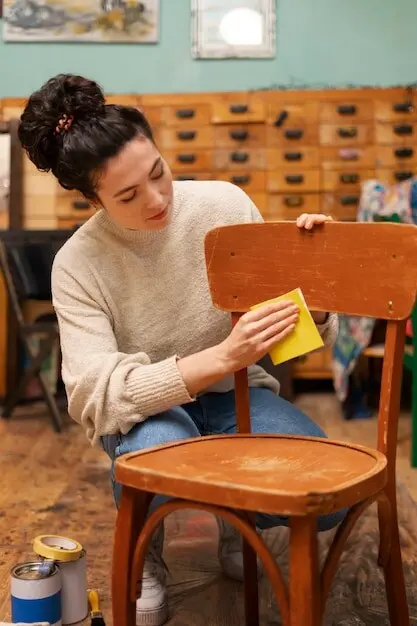
Sharing Skills and Growing Community
All Rights Reserved.