Gentle Protection for Wood: Lasting Beauty with Clean, Low-Impact Care
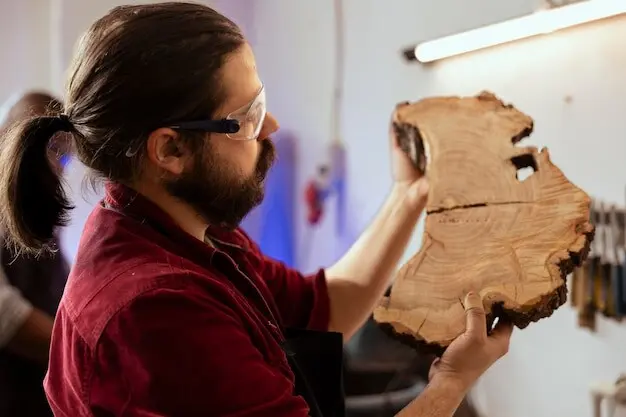

Join us as we dive into Non-Toxic Wood Finishes and Natural Oils for Long-Lasting, Low-Impact Furniture Maintenance, exploring tactile ways to nourish grain, reduce emissions, and keep treasured pieces resilient for years. We compare plant-based oils, waxes, and modern waterborne coatings, share careful application techniques, and spotlight households where healthier choices truly shine. Expect clarity, warmth, and evidence-informed guidance that helps you choose confidently, breathe easier, and fall in love again with every comforting surface you touch.

Indoor Air Quality Begins at the Surface

Every coated tabletop or chair back becomes part of your breathing space. Selecting finishes designed for low emissions helps control lingering odors and reduces volatile compounds circulating throughout the day. Paired with open windows and prudent curing times, non-toxic options let the wood’s character emerge without dominating your senses. Families often notice fewer headaches and easier mornings, while guests comment on the pleasant, natural scent that fades into calm, lived-in comfort rather than a harsh reminder of recent work.

Protecting Children, Pets, and Allergy-Sensitive Guests

Curious hands and paws explore by touch and taste, making gentle materials a practical necessity. Finishes built from natural oils and waxes, or carefully formulated waterborne options, minimize strong fumes during application and drying. Once fully cured, many create neutral surfaces less likely to provoke discomfort for sensitive visitors. Add simple rules—like allowing thorough cure times before play—and you welcome little explorers without constant worry. Furniture becomes an invitation to gather, build, read, or nap, not a source of avoidable indoor stress.

Reducing Environmental Footprint without Sacrificing Performance

Responsible care balances longevity with restraint. Natural oils penetrate fibers to nourish from within; hardwax oils and advanced waterborne coatings add resilience against daily scuffs while conserving resources. By maintaining instead of replacing, you avoid emissions and waste tied to premature disposal. Choose products with transparent ingredient lists and credible certifications, support refills where available, and favor repairable finishes over brittle films. Over time, fewer touch-ups, less sanding dust, and steady, graceful wear patterns reduce both environmental cost and personal workload.

Choosing Between Oils, Waxes, and Waterborne Coatings

No single approach suits every surface. Penetrating oils enrich figure and depth, waxes add velvety hand-feel, and waterborne coatings deliver scuff resistance with restrained odor. Your selection depends on species, use, and desired sheen. Kitchen stools demand durability; display shelves appreciate warmth and glow. Begin by imagining daily life around the piece—hot mugs, keys, crayons, or quiet afternoons—and choose a path that respects that rhythm. When matched thoughtfully, gentle systems outperform harsher options simply by encouraging consistent, sustainable upkeep.

Plant Oils: Linseed, Tung, and Walnut Compared

Raw and polymerized linseed offer familiar warmth and accessible upkeep, though they may amber over time. Pure tung cures into a flexible, water-resistant network with satisfying depth, often favored for tabletops and cutting-friendly zones when fully cured. Walnut oil brings a quick, food-adjacent familiarity yet benefits from patient application and thin coats. Always check for allergies, add breathable curing space, and remember oily rags require safe drying to prevent heat buildup. With methodical layering, these oils celebrate figure without sealing character away.

Hardwax Oils versus Traditional Oil-Varnish Blends

Hardwax oils combine natural oils with waxes to build a micro-thin, repairable shield that buffs beautifully and relishes touch. Scratches often mend with spot reapplication rather than broad sanding. Traditional oil-varnish blends lean glossier and tougher but can be trickier to repair seamlessly. Consider foot traffic, sunlight, and desired patina: hardwax oils flatter textured grain and hand-sculpted profiles, while blends may favor formal furniture needing higher sheen continuity. Either way, thin coats and generous cure windows keep results consistent and calming.

Waterborne Polyurethanes and Acrylics with Low VOC

Modern waterborne finishes tame odor and speed cleanup while offering dependable abrasion resistance. Many formulations meet strict emission limits and dry crystal clear, protecting pale species like maple or ash without ambering. They pair well with natural oil undercoats for richer tone or stand alone for minimalist clarity. Choose products with transparent technical data sheets explaining solids content, recoat windows, and cure schedules. With good ventilation and patient handling, these coatings deliver everyday resilience aligned with quieter, lighter-touch maintenance values.

Application Techniques that Respect the Grain

How you apply a finish matters as much as what you choose. Gentle prep reveals figure, thin layers preserve tactile honesty, and buffing guides light along fibers rather than trapping it in plastic shine. Prioritize dust control, mindful wiping, and fresh applicators. Let coats cure fully before stacking belongings, resisting the rush that undermines durability. A calm pace yields surfaces that invite fingertips, resist daily scuffs gracefully, and age into stories rather than into stress. Respectful technique becomes lasting comfort.

Daily Cleaning that Preserves Sheen

Skip harsh sprays. Choose a lightly damp cloth, then follow with a dry pass to remove moisture. Crumbs lift with a soft brush; grit under coasters disappears with patient wiping. For sticky spots, a drop of mild, plant-based soap diluted in warm water prevents dulling. Avoid intense scrubbing pads that scratch protective layers. Consistency over force protects luster, meaning fewer disruptive interventions later. In minutes, surfaces look refreshed, grain remains inviting, and the finish continues serving quietly without buildup or haze.

Scratch and Water Ring Repair the Calm Way

Small marks often yield to spot care. For oils and hardwax oils, clean gently, apply a touch of fresh product, and buff until boundaries fade. Water rings may lift with breathable warmth from a low-heat iron through cotton, followed by nourishing oil once dry. Always test inconspicuous areas and proceed slowly. When deeper scars appear, targeted sanding in the grain direction, then careful feathering, preserves surrounding patina. Repairability is the gift of gentle systems—imperfections become moments, not motives for wholesale stripping.

Seasonal Refresh without Starting Over

Dry winters and humid summers nudge wood to move and finishes to flex. Schedule light maintenance ahead of seasonal shifts: dust thoroughly, check high-use edges, and renew with a thin, well-buffed coat where sheen surrenders. For waterborne films, consider a compatible refresher or polishing compound designed for the product line. Keep records of application dates and products used, supporting consistent decisions later. Instead of emergencies, you enjoy small, satisfying sessions that build a legacy of care and calm resilience.

From Heirloom Tables to Playroom Chairs: Real-Life Stories

Sourcing and Certifications You Can Trust

Labels should answer questions, not create new ones. Look for transparent ingredient disclosures, clear cure times, and emission data that align with rigorous independent testing. Programs such as GREENGUARD Gold, Blue Angel, Nordic Swan, or France’s A+ emission rating offer helpful benchmarks, while many makers publish third-party reports. Choose suppliers who welcome conversations, maintain consistent batches, and support refills or recycling. When information flows freely, decisions feel calm, and the path from can to comfort becomes straightforward, confident, and kind.
Xuzaponavuxuzezamokakofuhe
Privacy Overview

This website uses cookies so that we can provide you with the best user experience possible. Cookie information is stored in your browser and performs functions such as recognising you when you return to our website and helping our team to understand which sections of the website you find most interesting and useful.