Stories That Last: Sustainable Interiors and Well-Loved Furniture

Today we dive into Sustainable Interior Storytelling and Furniture Care, exploring how meaningful narratives, ethical materials, and mindful maintenance turn everyday rooms into enduring sanctuaries. Expect practical routines, repair confidence, and ideas that honor history, reduce waste, and help furnishings age gracefully while reflecting who you are. Share your questions, photos, and victories; this journey thrives on community learning and gentle, lasting care.

Finding Meaning in Materials

{{SECTION_SUBTITLE}}

Reclaimed Wood, New Chapters

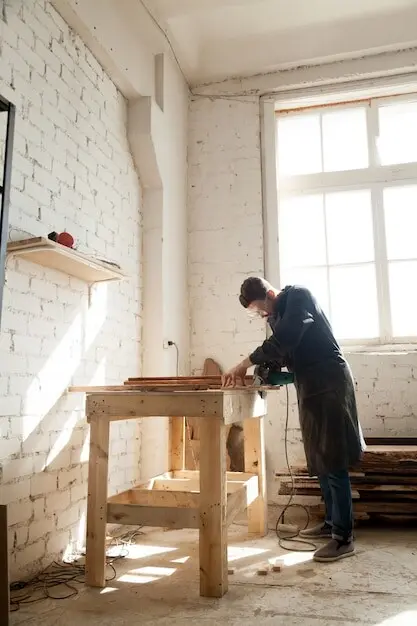
Boards salvaged from barns or factories hold nail holes, saw marks, and atmospheric stains that narrate hard work and weather. Stabilize moisture before installation, then oil with plant-based products to deepen grain without toxins. Share a photo of your favorite scar; patina becomes pride, not a flaw.

Vintage Finds with Honest Patina

Secondhand pieces reduce demand for new extraction and bring soul others cannot fake. Use the wobble test, sniff for mold, and check joinery. Reupholster with natural latex and wool when possible. Tell us where you hunt treasures locally; your map could guide a neighbor’s next rescue.

Designing for Longevity

Choose Construction That Endures

Look for mortise-and-tenon, dovetails, and dowels over flimsy staples. Feel weight distribution and listen for creaks that signal stress. Test drawers for glide and stops. Share a quick checklist you use while shopping; collaborative wisdom helps newcomers skip costly heartbreak and celebrate reliable craftsmanship.

Modularity and Repairability

Flat-pack does not have to mean disposable. Choose designs with replaceable seat pads, removable slipcovers, and hardware you can source locally. Request exploded diagrams and spare screws at purchase. Add your best source for odd fittings in the comments, building a community toolbox that reduces wasteful replacements.

Maintenance as a Ritual

Set calendar nudges for dusting, oiling, tightening, and rotating cushions. Ten quiet minutes weekly outcompete costly fixes later and deepen attachment. Play a favorite album, brew tea, and invite family to join. Ritual care becomes narrative glue, bonding people and objects across seasons.

Nourishing Wood Without Harsh Chemicals

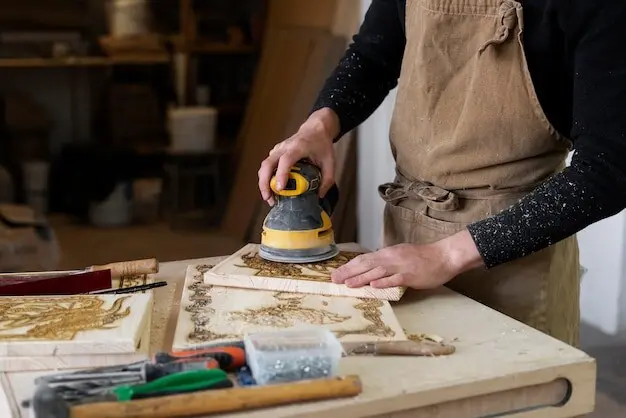
Dust along the grain, then occasionally feed with plant oils or beeswax blends, testing in hidden areas first. Wipe spills immediately to prevent warping. Share your grandmother’s trick or a regional oil you swear by; intergenerational knowledge often beats marketing and keeps treasured tables glowing responsibly.

Textiles: Cleaning, Sunlight, and Prevention

Vacuum with a soft brush, spot-treat from the seam outward, and use breathable covers for storage. Rotate cushions and curtains to even light exposure. If you’ve conquered a brutal berry stain naturally, tell us how; those lifesaving details help households avoid unnecessary chemical cocktails.

Metals and Hardware: Shine without Waste

Before polishing, remove dust so grit does not scratch. Choose gentle pastes, protect threads with tape, and dry thoroughly to halt corrosion. Post a photo when an old hinge springs back to life; collective encouragement makes tiny victories contagious and keeps landfills a little lighter.

Room Narratives That Reduce Waste

Let function lead styling, and rooms begin telling clear stories that resist impulse purchases. Zone activities, curate purposeful focal points, and celebrate negative space. When each corner has intent, duplicates feel unnecessary, and cherished objects shine brighter. Share layouts you’ve refined; others will borrow your smart edits.

Repair Culture and Emotional Durability

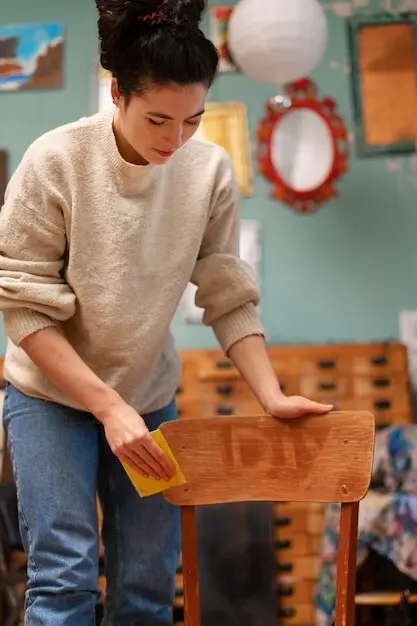
When objects hold memories, we keep them longer and waste less. Embrace techniques like visible mending, kintsugi-inspired fills, and respectful refinishing that retains history. Invite friends to a repair evening, trade tools, and swap skills. Satisfaction grows as fixes accumulate, shaping identity alongside resilient belongings.

Low-Impact Care Kit and Routines

Build a compact kit that respects materials and lungs: microfiber cloths, soft brush, beeswax, plant oils, pH-neutral soap, cotton swabs, screwdrivers, natural rubber gloves, and breathable storage bags. Pair tools with reminders and checklists. Subscribe for printable schedules and share your smartest hacks with neighbors.
Xuzaponavuxuzezamokakofuhe
Privacy Overview

This website uses cookies so that we can provide you with the best user experience possible. Cookie information is stored in your browser and performs functions such as recognising you when you return to our website and helping our team to understand which sections of the website you find most interesting and useful.